REVIEW · VALDOBBIADENE
Prosecco Tasting in Countryside Winery
Book on GetYourGuide →Operated by Slow Travel · Bookable on GetYourGuide
Nothing beats a Prosecco lesson with vineyard air. This family-run tasting in Valdobbiadene pairs scenic time outside with a clear look at how Glera becomes Prosecco DOCG.
I like two things most: the guided walk-through of the production process (from harvest to bottling) and the fact you sample three different styles so you learn how to spot differences, not just which glass you like most. One thing to consider is that the free vineyard walk may be shortened or skipped in bad weather.
In This Review
- Key highlights to look for
- Valdobbiadene: the Prosecco place that feels more precise
- The 1-hour flow: terrace intro, guided process, then 3 Prosecco styles
- Step 1: Panoramic terrace and production context (about 30 minutes)
- Step 2: Guided winery walk-through (about 30 minutes, focus on process)
- Step 3: Tasting 3–4 Prosecco varieties (about 30 minutes)
- Step 4: Self-guided vineyard walk (after tasting)
- What makes the winemaking talk actually useful
- Hand harvest matters (because ripeness is a flavor decision)
- Destemming and soft pressing protect freshness
- Temperature-controlled fermentation keeps the character intact
- Charmat method creates the bubble style
- How to taste the 3 Prosecco styles like a pro (without overthinking)
- What to focus on first
- Why the snacks help your tasting
- A practical tip for choosing which style to buy
- Vineyard strolling: what you’ll see and what to expect
- Price and value: $34 for learning, tasting, and vineyard time
- Getting there around Treviso and Venice
- Who should book this Prosecco tasting
- Booking guidance: should you do it?
- FAQ
- How long is the Prosecco tasting experience?
- What do I taste during the tour?
- Where is the winery located?
- What’s included in the price?
- Do I need transportation?
- What languages are available for the guide?
- Is the vineyard walk always included?
- Is the tour wheelchair accessible?
- Is the tour suitable for everyone?
Key highlights to look for
- 3 Prosecco DOCG tastings from grapes grown right there
- Panoramic terrace briefing to set context before you taste
- Hand-harvesting plus modern production explained by a family guide
- Short, practical winemaking walkthrough, including destemming, pressing, tank fermentation, and Charmat method
- Self-guided vineyard stroll after the tasting (rain can affect this)
Valdobbiadene: the Prosecco place that feels more precise
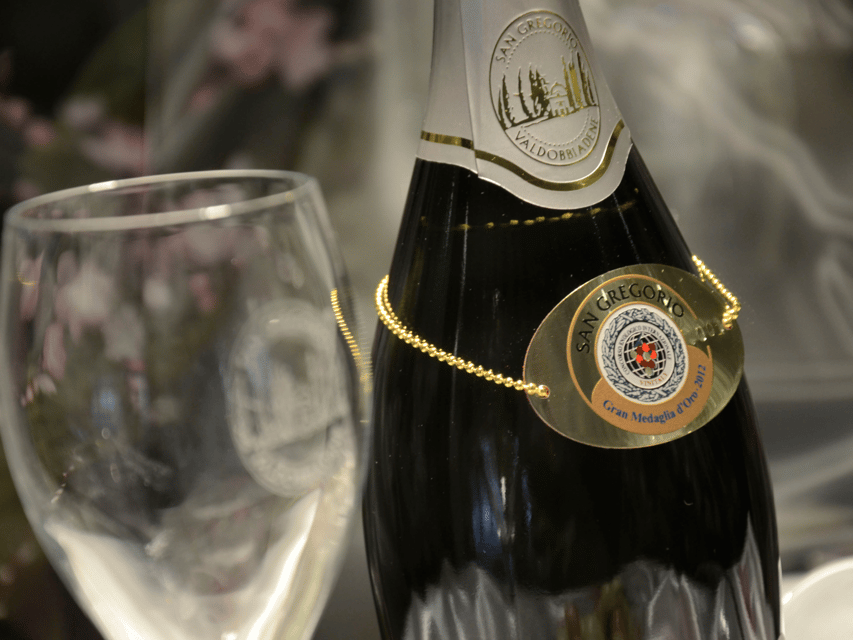
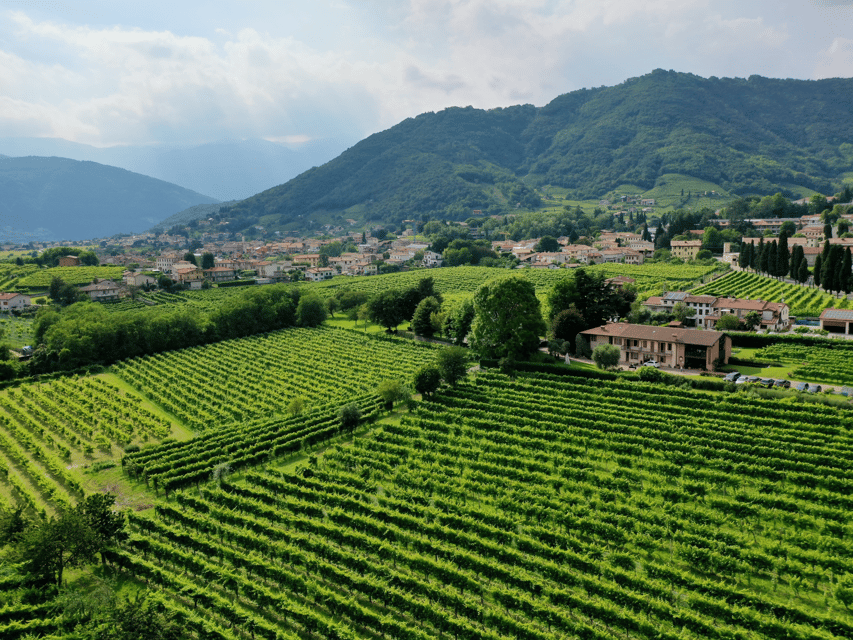
If most Prosecco feels like a party drink, Valdobbiadene is where it starts to feel technical—in a good way. You’re in the Veneto hills where Prosecco DOCG is tied to specific rules and terrain, and that shows in how the tour is structured: terrace first, then vineyard rows, then the production details.
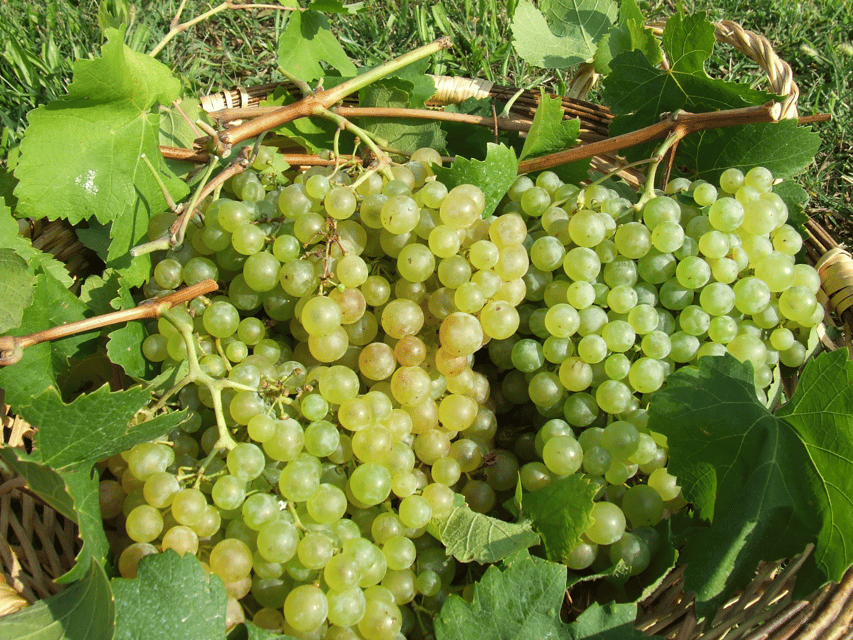
This winery grows Glera grapes across about five hectares. Even if you don’t know the grape yet, you’ll learn quickly why DOCG isn’t just a label. You’ll talk about the microclimate and the farming choices that shape aroma and texture, so by the time you’re tasting, you’re not guessing—you’re connecting flavors to real decisions.
You can also read our reviews of more food & drink experiences in Valdobbiadene


The 1-hour flow: terrace intro, guided process, then 3 Prosecco styles
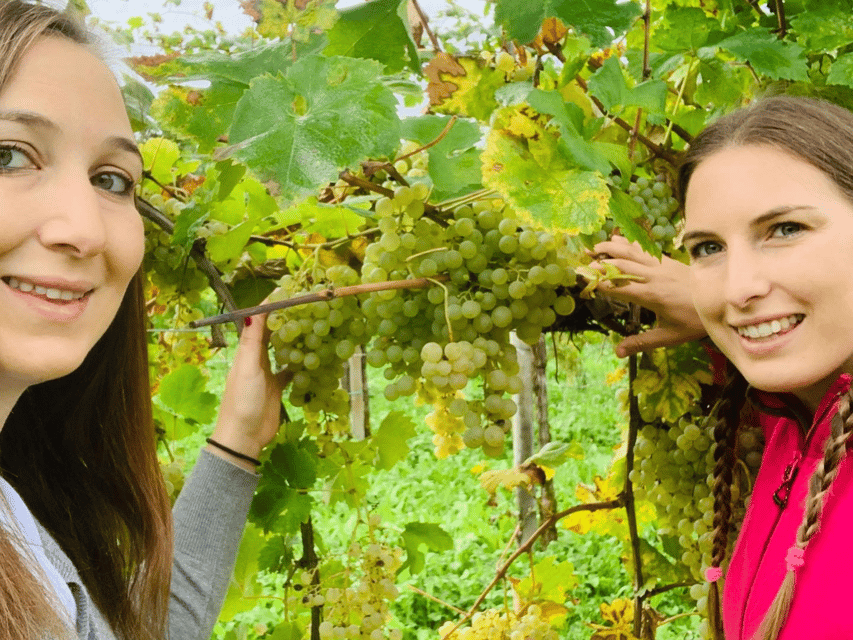
This visit runs about 1 hour, split into a guided portion and a tasting portion. In practice, it feels relaxed rather than rushed because the host uses the terrace and the vineyards to keep the story grounded.
Step 1: Panoramic terrace and production context (about 30 minutes)
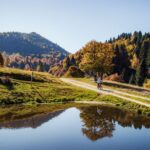
You start on an outdoor terrace with views over the hills and the vineyards. This is where your guide sets the stage: why this area works for Prosecco, what the host expects you to notice in the glass, and how the production steps link together.
Then the explanation moves through the process you’ll hear again during tasting:
- hand-harvesting traditions alongside modern techniques
- how grapes become juice
- how fermentation and sparkling production create that typical Prosecco texture
If you’re the type who likes to understand your food and drink, this is a great warm-up. You’ll know what to listen for when the guide points out differences between the bottles.
Step 2: Guided winery walk-through (about 30 minutes, focus on process)
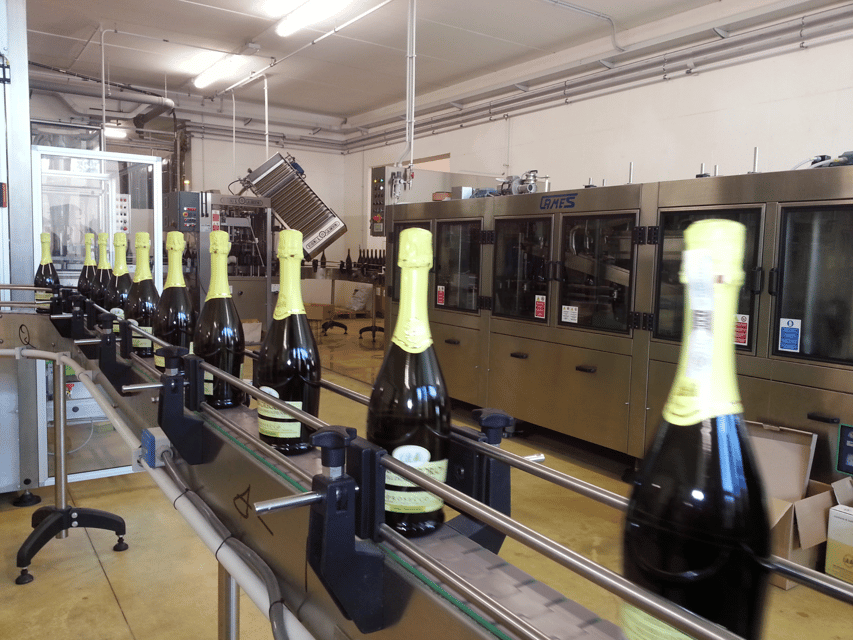
During the guided part, you get a step-by-step look at how the grapes are handled after picking. The tour describes the logic behind each step, not just a list of equipment.
From the info you’ll receive, here’s the core flow:
- grapes are destemmed
- they’re softly pressed to protect juice quality
- juice ferments in temperature-controlled vats
- the sparkling step happens through the Charmat method (spumantizzazione) using carefully selected natural yeasts
That sequence matters for how the finished Prosecco tastes: the temperature-controlled fermentation helps keep aromatics fresh, and Charmat typically supports a lighter, lively style with fine perlage (the tiny bubbles).
Step 3: Tasting 3–4 Prosecco varieties (about 30 minutes)
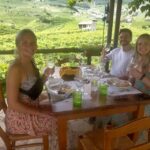
After the process briefing, you taste. The experience is designed around learning, so don’t treat this like a simple sip-and-go. Each pour is meant to show how “Prosecco” can still vary—dryness level, fruit expression, and how the bubbles feel on your palate.
You also get traditional Italian snacks to keep things balanced:
- Bibanesi
- grissini
Those are a smart pairing for Prosecco because they won’t overpower delicate flavors. The goal is to help you taste, not to distract you with heavy food.
You can also read our reviews of more wine tours in Valdobbiadene

Step 4: Self-guided vineyard walk (after tasting)
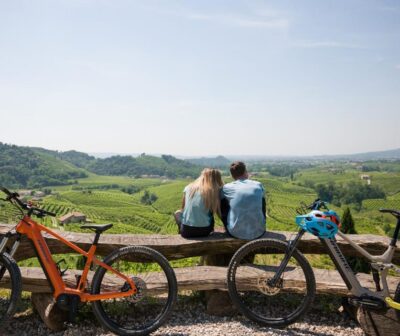
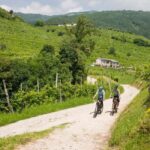
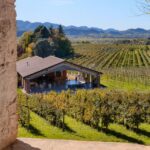
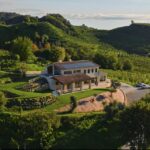
Then you’re encouraged to wander the vines on your own. This is where the tour becomes memorable beyond the glass. You’ll see the terrain and farming practices firsthand—especially the practical realities of vineyard life.
One important note: the vineyard walk may not be included if weather turns rough. If you’re traveling in shoulder season or planning for rain, keep that in mind.
What makes the winemaking talk actually useful
A lot of wine tours toss around terms and hope you’ll nod. This one gives you enough structure that you can make sense of what you’re tasting.
Here are the winemaking ideas you’ll want to keep in your head while you taste:
Hand harvest matters (because ripeness is a flavor decision)
You’ll learn that harvest here is still done entirely by hand. That’s not a romantic slogan. It affects how uniformly the grapes reach ripeness and how careful selection can be. When ripeness is right, you tend to get fruit-forward aromatics without harsh edges.
Destemming and soft pressing protect freshness
The tour explains that after picking, grapes are destemmed and then softly pressed to extract the highest-quality juice. That matters because the less you stress the grapes, the cleaner the juice tends to be, and Prosecco is all about that fresh, delicate profile.
Temperature-controlled fermentation keeps the character intact
Fermentation in temperature-controlled vats is a big deal for aroma. Cooler, controlled fermentation often helps you keep the “bright” side of the grape.
Charmat method creates the bubble style
The sparkling production takes place through the Charmat method with natural yeasts, leading to fine and persistent perlage. In plain terms: you’re tasting bubbles that are designed to feel elegant and steady, not big and aggressive.
If you remember just one thing, remember this: the guide’s process explanation is there to help you understand why your glass feels the way it does.
How to taste the 3 Prosecco styles like a pro (without overthinking)
Even if you’re not a wine geek, this tasting is built so you can learn fast. The easiest way is to use a simple checklist while your host pours.
What to focus on first
Start with aroma and texture:
- Aroma: do you get more floral notes, more apple/pear fruit, or something zesty?
- Bubbles: are they fine and persistent, or does it feel rougher and quicker?
- Finish: does it feel clean and dry, or slightly round?
The winery’s use of Charmat and selected yeasts sets up the bubble feel you’ll likely notice. Then the different Prosecco styles show you how fruit expression and balance can shift.
Why the snacks help your tasting
Bibanesi and grissini are the kind of simple crunch that resets your palate. They keep the tasting fair between styles. If one Prosecco tastes sharper at first, the snack often reveals whether that sharpness becomes pleasant or stays distracting.
A practical tip for choosing which style to buy
Don’t just buy your favorite taste on the first pour. Instead, compare the last sip of style A vs. style B. Your preference often flips once the bubbles settle and your palate adjusts.
Also, you’re in DOCG territory, so if you buy a bottle later, you can look at it as a choice about style, not a gamble about quality.
Vineyard strolling: what you’ll see and what to expect
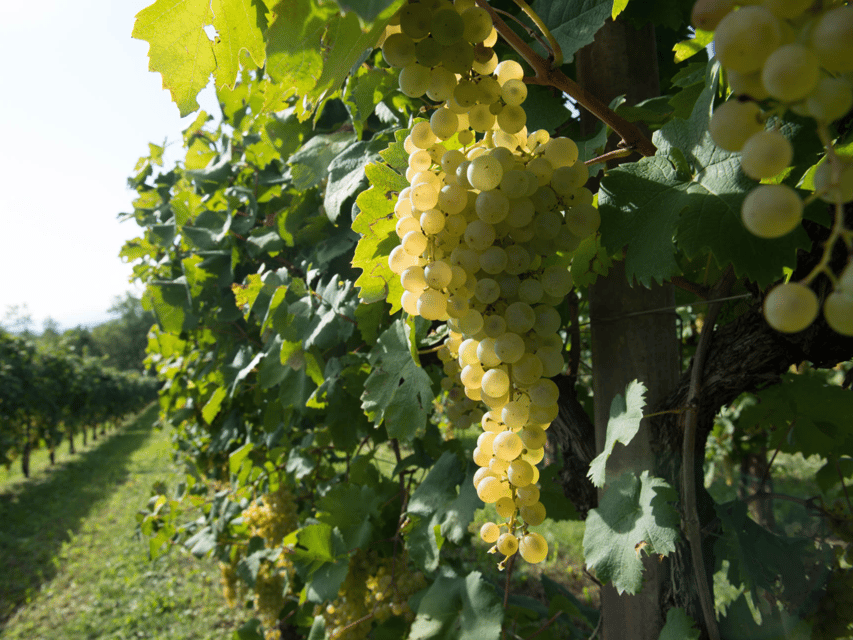
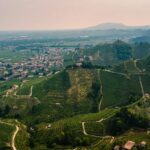
Walking among the rows is one of the best ways to connect the tasting to the ground under your feet. Since grapes are the main ingredient, the vineyard view isn’t decorative. It’s part of the lesson.
During the self-walk, you’ll likely notice:
- how the vines are laid out across the hills
- the difference between “scenic” and “workable” terrain
- farming practices that match the terrain and weather
If you’re hoping for a long, step-by-step vineyard tour with constant narration, know that this portion is described as self after the tasting. The guide gives the key points earlier, then you explore at your own pace.
If it’s rainy, the vineyard portion may be reduced. If that’s a dealbreaker for you, message ahead and ask whether the experience will shift toward the indoor process when conditions are poor.
Price and value: $34 for learning, tasting, and vineyard time
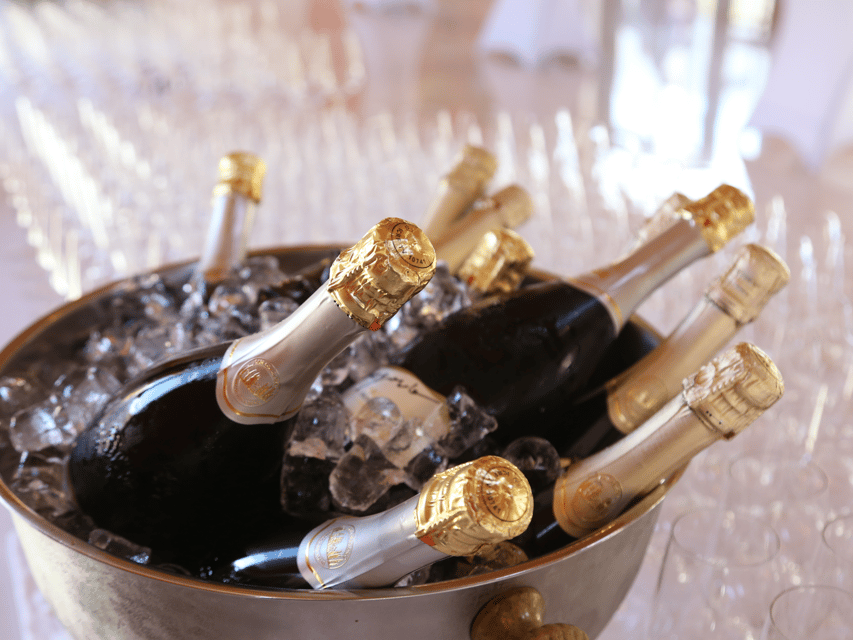
At $34 per person, you’re paying for three tastings plus snacks and a live family guide, all in a DOCG zone that actually ties grapes to the bottle. For one hour, that pricing feels fair because the session isn’t just pouring.
Here’s what you’re getting for your money:
- 3 different Prosecco styles (based on grapes grown locally)
- an explanation of winemaking from harvest to sparkling production
- snacks that support your tasting
- a chance to walk the vineyards on your own
What’s not included:
- transportation to and from the winery
- meals beyond the snacks
So the value depends on how easy it is for you to get there. If you’re already based in the Treviso area, this can be a good “one solid activity” stop. If you’re coming from farther away, factor in transit time so the hour doesn’t get eaten by logistics.
Getting there around Treviso and Venice
Meeting point instructions are straightforward, but you’ll want to stay alert because the roads can feel small and rural.
You’ll find the winery in Valdobbiadene by turning onto Via San Gregorio when you see the electric tower. Keep the cypress trees on your left, look for the sign Cantina San Gregorio, and drive the street until the end to reach the estate.
Timing cues from the area:
- about 35 minutes from Treviso by car
- about 1 hour from Venice by car
If you’re using a ride service, plan for rural roads and a short wait near the sign. For anyone self-driving, this is a good spot to double-check your phone signal before you arrive.
Who should book this Prosecco tasting
This experience is a strong fit if you:
- want to learn what makes Prosecco DOCG different, beyond the bottle label
- like wine tours that explain process in plain terms
- enjoy tasting in a small group setting (limited to 10 participants)
- prefer family-run hospitality over big commercial setups
It’s also well-suited for couples, friends, and solo travelers who want something compact but meaningful.
Two cautions:
- it’s not suitable for pregnant women
- if you want a guarantee of the full vineyard walk, understand that weather can change it
Booking guidance: should you do it?
Yes—if you want a focused, high-signal Prosecco lesson in Valdobbiadene, this is the kind of tour that pays off immediately. The combination of terrace context, clear production steps, and three DOCG tastings gives you real learning you can take into your next restaurant order or bottle purchase.
Skip or choose another option if:
- you strongly want a long, narrated vineyard tour with constant guide commentary the whole time
- indoor-only options are a must for your schedule and the weather is uncertain
If you do book, come hungry for learning, not just drinking. Ask your guide questions while the glasses are still on the table—this tour works best when you treat it like a conversation.
FAQ
How long is the Prosecco tasting experience?
The experience lasts about 1 hour.
What do I taste during the tour?
You taste 3 different varieties of high-quality Prosecco DOCG. The experience also mentions tasting 3–4 varieties.
Where is the winery located?
It’s in Valdobbiadene, in the Prosecco area of Veneto, Italy.
What’s included in the price?
The tour includes 3 Prosecco tastings, snacks, a self vineyard walk, and a live family guide.
Do I need transportation?
Transportation to and from the winery is not included.
What languages are available for the guide?
The guide is available in Italian, English, and German.
Is the vineyard walk always included?
In case of rain or adverse weather conditions, the vineyard walk may not be included.
Is the tour wheelchair accessible?
Yes, it is wheelchair accessible.
Is the tour suitable for everyone?
The tour is not suitable for pregnant women.