REVIEW · CONEGLIANO
Conegliano: Prosecco Hills and Vineyards tour
Book on GetYourGuide →Operated by ManiSagge · Bookable on GetYourGuide
Prosecco tastes better with a view. This Conegliano tour pairs a hilltop tasting in the vineyards with a lesson on how Prosecco Superiore is made and why the rows on steep slopes matter. I especially like that you get both the three-part tasting (plus typical local products) and the big-picture story, from winemaker philosophy to Prosecco DOCG. One consideration: it’s more of a tasting-and-walk experience than a full, detailed production tour of every cellar room.
The guide (Marco comes up again and again) keeps things clear and conversational, with explanations in English or Italian and time to ask questions. You’ll also walk up to an ancient hilltop, where the idea of heroic viticulture makes instant sense because you can literally see what the vines are doing.
Finally, this is a tight 1.5-hour format, so it works if you want quality wine time without losing half a day. Comfortable shoes help on the hilltop stretch, and the good news is the tour is listed as wheelchair accessible.
In This Review
- Key highlights worth waking up for
- Conegliano’s hill views are the secret ingredient
- The 1.5-hour flow: cellar tastings, local bites, then a hilltop walk
- Prosecco Superiore tastings: what you’re actually comparing
- Heroic viticulture explained by your feet
- UNESCO views from the ancient hill: what to notice
- Pairing Prosecco with typical local products (and how to get the most out of it)
- Price and value: $34 for wine plus place-plus-pedagogy
- Who should book this Conegliano Prosecco hills tour
- Should you book ManiSagge’s Conegliano Prosecco Hills and Vineyards tour?
- FAQ
- How long is the Conegliano: Prosecco Hills and Vineyards tour?
- What do you taste during the tour?
- Is transportation to and from the tour included?
- What language is the tour guide available in?
- Is the tour wheelchair accessible?
- What should I wear or bring?
Key highlights worth waking up for
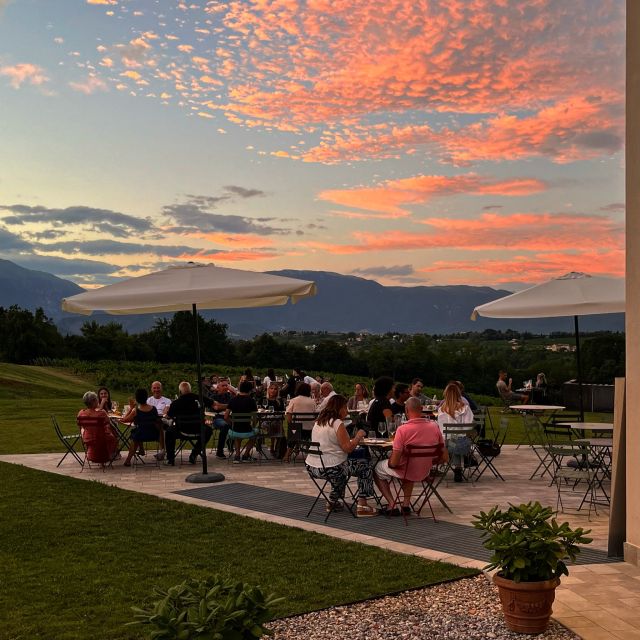
- Hilltop UNESCO views that make the Prosecco hills click in your head
- Three tastings of Prosecco Superiore paired with typical local products
- A real explanation of Prosecco DOCG and what it means
- Learning heroic viticulture by walking to where it happens
- A guide like Marco who’s known for friendly, informative explanations
- A short, focused 1.5-hour outing that fits well between sightseeing stops
Conegliano’s hill views are the secret ingredient
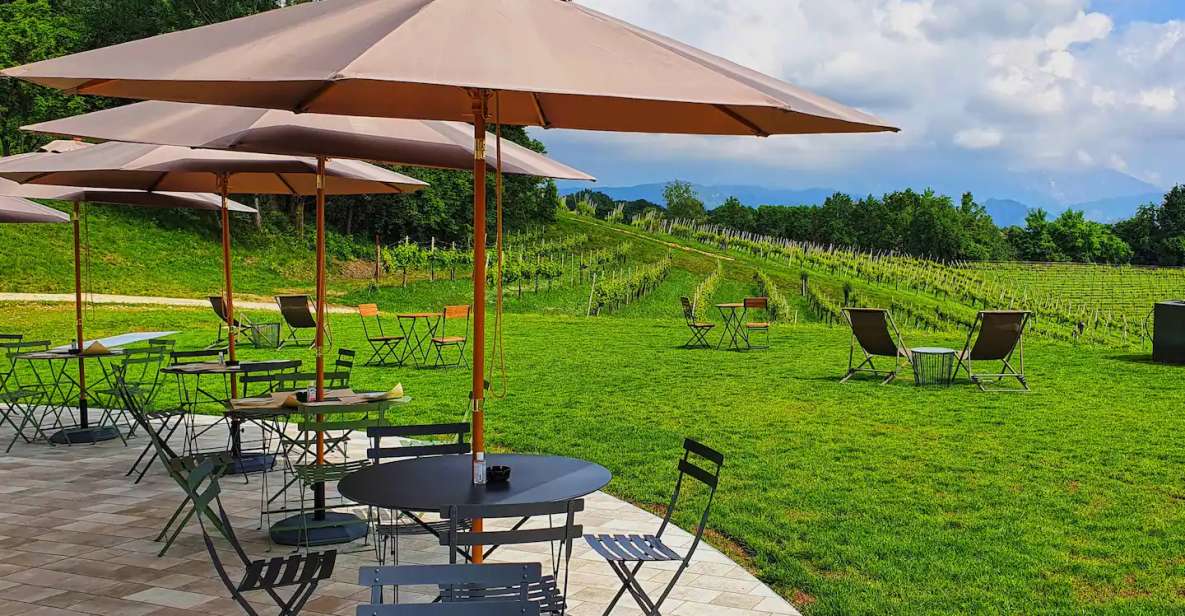
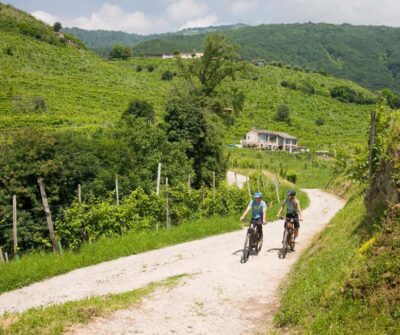
Conegliano sits in Veneto’s Prosecco country, where the best tasting experiences aren’t just about the bottle. They’re about context. On this tour, you don’t start by listening to a lecture in a room with no windows. You start with scenery: vineyards, green hills, and the sweeping sightlines that earned the area its UNESCO status.
That matters because Prosecco isn’t made in a “one-size-fits-all” way. What you taste is shaped by slope, exposure, and how farmers manage vines on challenging ground. Once you see the terrain, the wine lesson becomes practical instead of academic.
I also like the way the philosophy is part of the tasting, not a separate event. You taste, then you understand the thinking behind the glass. That kind of “taste-to-lesson” flow keeps the hour and a half moving without feeling rushed.
You can also read our reviews of more tours and experiences in Conegliano.
The 1.5-hour flow: cellar tastings, local bites, then a hilltop walk
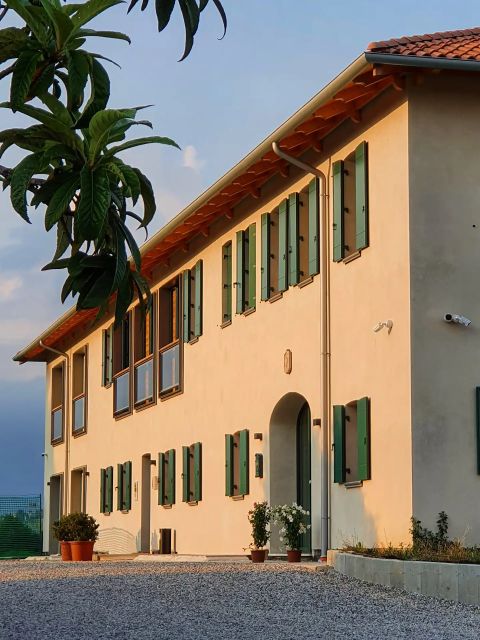
This is designed as a compact loop, built around three main moments.
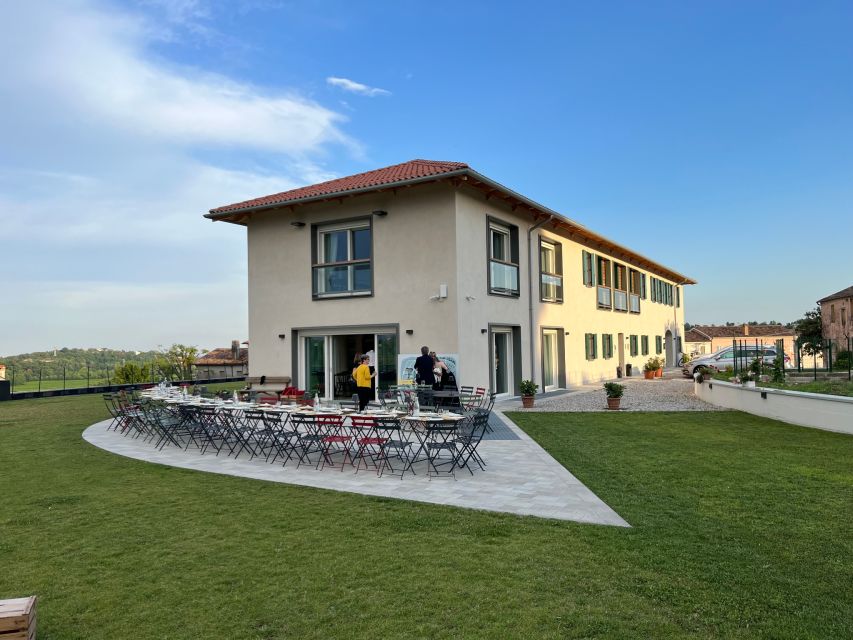
First, you meet your guide and head to the estate’s wine bar. You’ll be surrounded by the live, working hills, not a staged backdrop. Here, you get the brand-and-place story, including where Prosecco Superiore Mani Sagge comes from and the mindset of the people who protect these hills. This is also where the guide talks you through what you’re about to taste, so your palate has a framework.
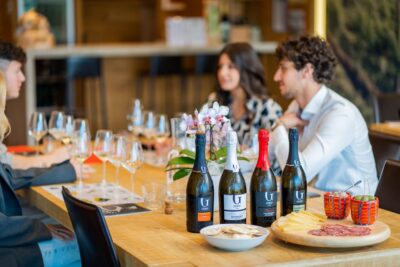
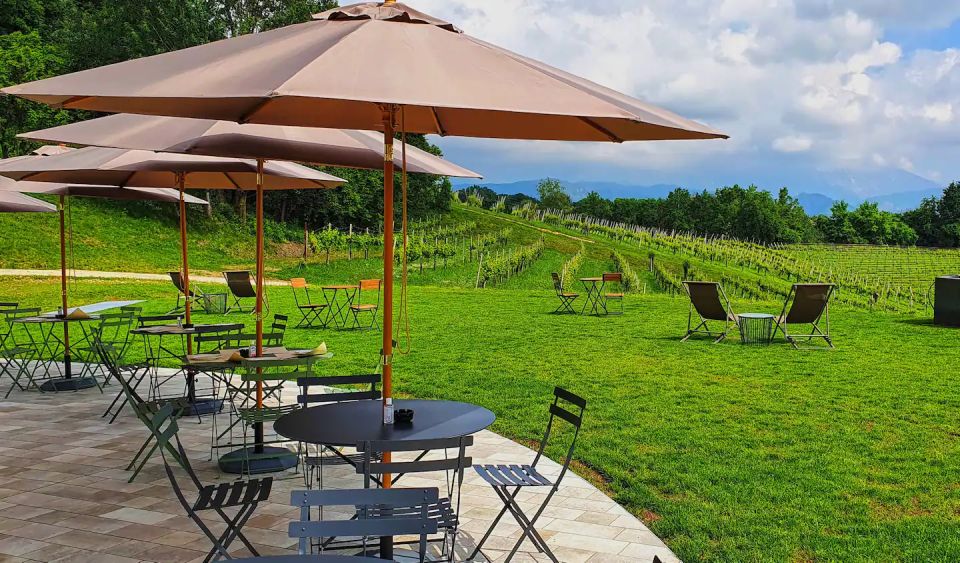
Next comes the tasting in the cellar area with views of the vineyards. You’ll sample three types of Prosecco Superiore. Alongside the pours, you’ll also have typical local products to eat. The pairing is simple and helpful: it gives your palate something real to chew on while you compare styles.
Finally, you walk up to the top of an ancient hill. That climb is short, but it’s the point of the tour. From the hilltop, the term heroic viticulture stops being a catchy phrase and becomes a visual fact. You can see why hillside farming takes extra work and why that effort shows up in how the wine is approached.
A small practical note: you’ll want comfortable shoes. The hilltop is part of the experience, so don’t show up in flip-flops and hope for the best.
Prosecco Superiore tastings: what you’re actually comparing
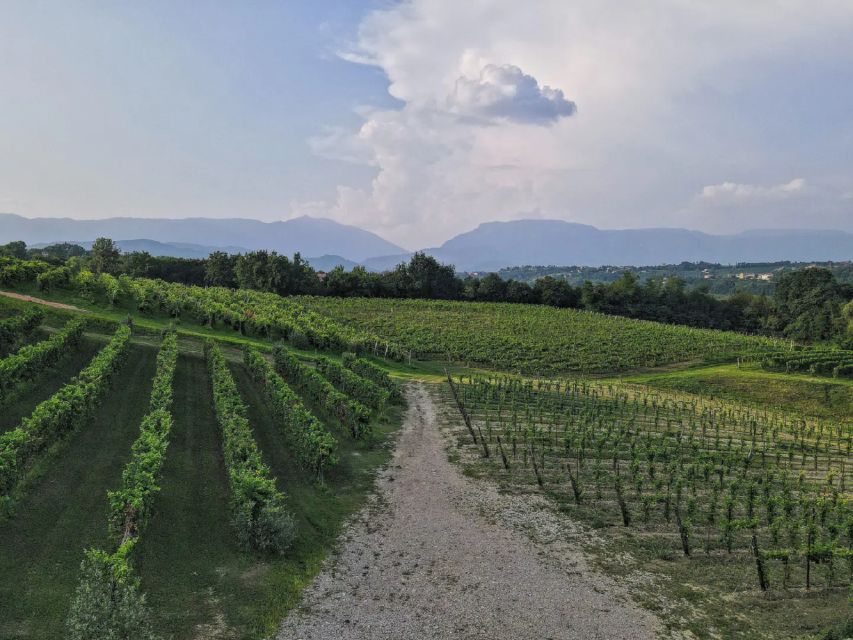
The tasting portion is built for comparison. You’re not just sampling one safe, friendly style and calling it a day. You taste three types of Prosecco Superiore, and the guide frames what you should notice as you go.
Here’s how that comparison tends to land for most people:
- You learn how differences in style can still feel cohesive because they come from the same broad identity.
- You start to pick up how food-friendly Prosecco can be when the pairing isn’t an afterthought.
- You get a sense of how the DOCG framework shapes expectations around quality and origin.
The tour also explicitly connects what you’re tasting to Prosecco DOCG. Even if you’re new to Prosecco labels, you’ll leave with a clearer idea of what DOCG implies in practice: it’s not just a fancy acronym. It points to an origin and a stricter set of rules that help protect the character of what you’re drinking.
And yes, the wine quality is a standout. More than one guest mention that this is among the best Prosecco tastings they’ve ever had, and the servings are described as generous. That combination—great pours plus enough food to keep things comfortable—makes the experience feel worth the time, even for casual wine drinkers.
Heroic viticulture explained by your feet
A lot of wine tours toss around pretty terms. This one earns them.
Heroic viticulture refers to the hard work of growing vines on steep or difficult slopes, where farming takes more effort than it does on flatter ground. In a classroom, it’s a definition. On this tour, it’s a revelation because you climb to the hilltop and can see the terrain that forces that labor.
What you should watch for while you’re walking:
- The slope and how vines must be managed differently when gravity is working against you.
- How the hillside farming creates a patchwork feeling across the hills.
- How the view changes as you climb, helping you understand why these places are worth protecting.
This is also where the UNESCO story becomes more grounded. You’re not being asked to care about a designation just because it sounds important. You’re being shown the reason the area matters: humans working with land that doesn’t make life easy, and the landscape structure shaped by that long-term relationship.
UNESCO views from the ancient hill: what to notice
The hilltop moment is one of the most praised parts of the tour. And it’s not just because it looks nice—though it does. It’s because it turns the whole Prosecco story from “wine facts” into something you can picture.
When you reach the top, take a minute before you start snapping photos (yes, do both). Look for:
- The way the hills roll out in layers. This is the kind of terrain that influences viticulture choices.
- The vineyard geometry, which often looks different from flatter farming regions.
- The sense of scale—how much land is devoted to the vine, not just a few rows near a tasting room.
If you’ve ever found wine regions hard to visualize, this part fixes that. Your brain finally connects label and place. And that connection is exactly what makes the tasting more satisfying afterward.
Pairing Prosecco with typical local products (and how to get the most out of it)
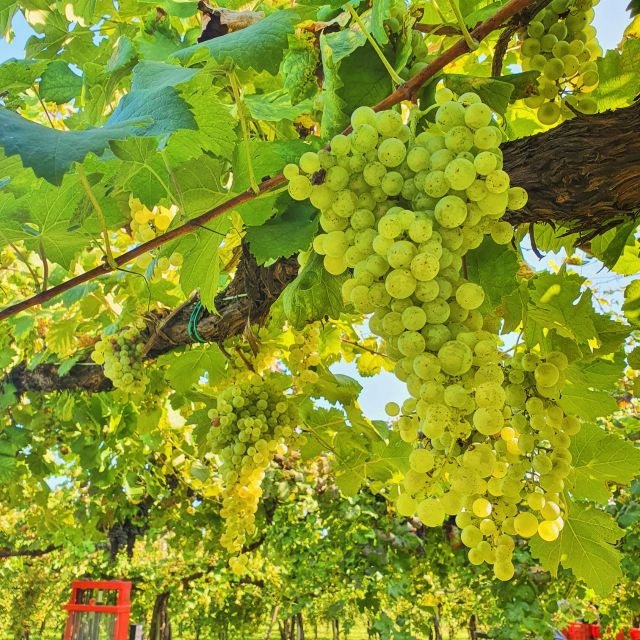
Wine tours often treat food like a token. Here, the typical local products are meant to keep you comfortable while you taste multiple pours.
In practical terms, eating during a tasting does three things:
- It slows you down just enough to notice differences between the three Prosecco types.
- It balances acidity and crispness, so the wine stays enjoyable rather than sharp.
- It makes the experience feel like part of everyday regional culture instead of a formal ceremony.
You’ll want to think about allergies and restrictions ahead of time. The tour data specifically asks you to inform them in advance about any allergies or food limitations, so if you need special handling, send that message early.
Price and value: $34 for wine plus place-plus-pedagogy
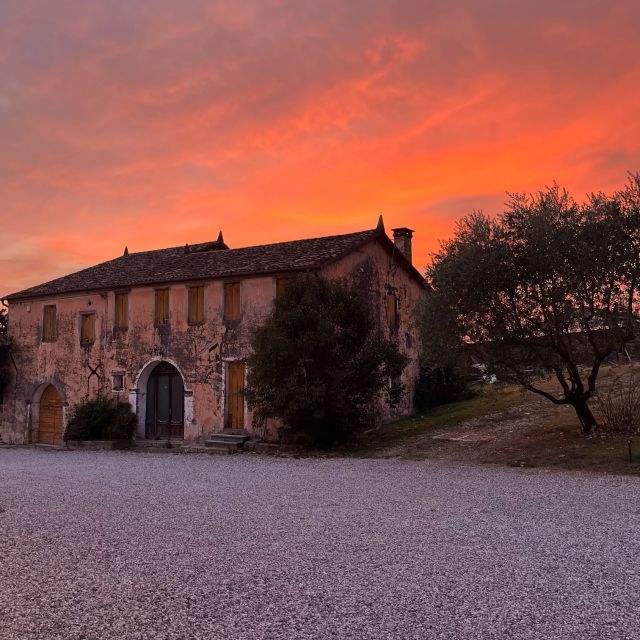
At $34 per person and about 1.5 hours, this tour is priced like a value tasting, not a luxury production extravaganza. That can be a good thing if your goal is smart access to the region.
What you’re paying for:
- A guided tasting of three Prosecco Superiore types
- Typical local products to eat alongside the pours
- A structured explanation of Prosecco DOCG and heroic viticulture
- A walking component to the ancient hilltop with UNESCO views
If you compare it to doing only a single tasting on your own, the “extra” here is the guided context. You get better understanding of what you’re tasting and why the region matters. And if you compare it to longer wine day tours, the time efficiency is the win: you spend ninety minutes learning and tasting, then you keep your day for the rest of Veneto.
One possible drawback worth naming plainly: if what you want is a behind-the-scenes, step-by-step look at production operations (more rooms, more equipment, more technical cellar walkthrough), this format may feel lighter. The emphasis is on tasting, philosophy, and the hilltop walk—not on a full, exhaustive tour of every cellar detail.
Who should book this Conegliano Prosecco hills tour
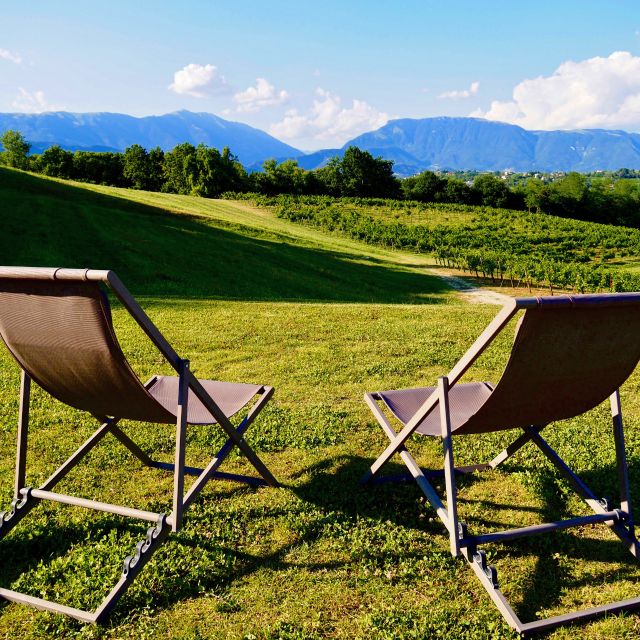
This tour fits best if you want:
- A short wine experience that still feels educational
- Amazing views as part of the point, not a random photo stop
- Prosecco Superiore tastings paired with actual regional bites
- Clear explanations in English or Italian (your guide should be able to match your questions)
It’s also a good pick if you’re traveling with someone who isn’t a hardcore wine nerd. You’ll both get something: the wine lovers get the DOCG and viticulture lessons, and the scenery lovers get the hilltop UNESCO setting.
It’s listed as wheelchair accessible, and the tour encourages comfortable shoes rather than “climb until you regret it,” so it should be doable for a wide range of mobility levels—still, plan for some walking at the hilltop.
Should you book ManiSagge’s Conegliano Prosecco Hills and Vineyards tour?
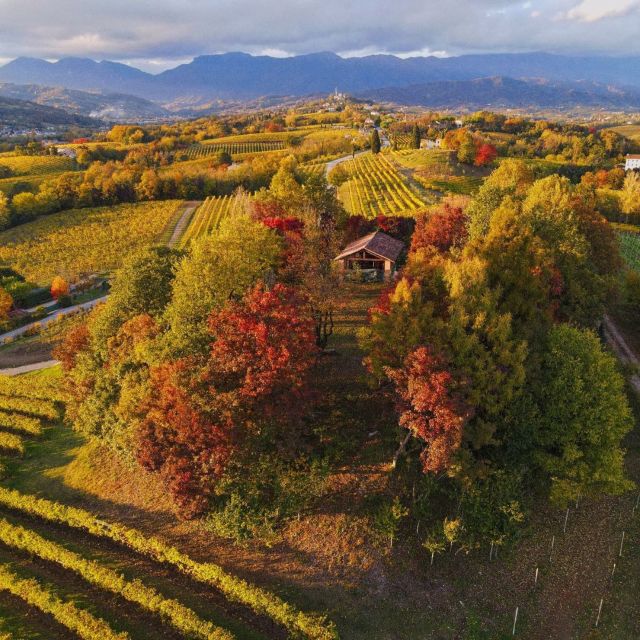
If your ideal wine day looks like: tastings + local food + a real explanation + a hilltop view that makes the region feel tangible, then yes, you should book it. The strong ratings back up what matters most here: the quality of the Prosecco, the generosity of the tasting and food, and the guide quality—Marco is repeatedly praised for being both informative and genuinely welcoming.
I’d think twice only if you specifically want an intensive production tour. This experience is set up to teach through tasting and terrain, not to function like an all-access cellar factory tour.
FAQ
How long is the Conegliano: Prosecco Hills and Vineyards tour?
The tour lasts about 1.5 hours.
What do you taste during the tour?
You taste three types of Prosecco Superiore, paired with typical local products.
Is transportation to and from the tour included?
No. Transportation is not included.
What language is the tour guide available in?
The live guide is available in English and Italian.
Is the tour wheelchair accessible?
Yes, it’s listed as wheelchair accessible.
What should I wear or bring?
Wear comfortable shoes, since you’ll walk to the top of an ancient hill. If you have allergies or food restrictions, inform the provider in advance.